The modern kitchen rangehood is much more than just a fancy piece of stainless steel; it’s your culinary bodyguard. It captures the steam, the smoke, and the sheer aromatic power of a perfectly seared steak or a spicy curry. But like any https://blogfreely.net/ceallaoato/understanding-what-is-included-in-a-full-commercial-range-hood-service-f4g4 hardworking appliance, it accumulates grime. Ignoring this buildup is like putting a band-aid on a deep cut—eventually, something worse happens. If you've ever wondered, "when do I need a rangehood deep clean in Western Sydney?", you've come to the right place. This comprehensive guide will demystify the science of grease buildup, provide actionable signs you can't ignore, and help you maintain a kitchen that is as beautiful as it is hygienic.
Understanding the Science of Kitchen Grime
Before we talk about schedules, we need to understand what we're actually dealing with. A rangehood isn't just coated in dust; it’s a complex, sticky ecosystem of grease, smoke particulates, and carbonized food residue. This buildup is a physical manifestation of your cooking habits.
What Exactly is Grease Buildup?
Grease is a combination of oils, fats, and particulate matter from your cooking. When it hits the filters and internal surfaces, it doesn't just sit there; it polymerizes, meaning it hardens and becomes extremely difficult to remove with simple wiping. Over time, this sticky mess acts like a blanket, reducing the efficiency of the filtration system.
The Hidden Hazards of Neglect
The risks of a dirty rangehood go beyond aesthetics. A clogged or heavily soiled unit is inefficient.
- Reduced Performance: The motor has to work harder to draw air through the grease-laden filters. This means you might be running your extractor at 70% capacity while thinking it's at 100%. Fire Risk: This is the most critical hazard. Deeply embedded grease buildup can act as a fuel source, posing a significant fire risk if not properly cleaned. Poor Air Quality: If the system isn't venting properly, pollutants and cooking smells can recirculate back into your home, affecting air quality and potentially irritating respiratory systems.
"As the saying goes, prevention is better than cure," and when it comes to your rangehood, prevention means regular, thorough cleaning.
Decoding the Warning Signs: Knowing When It's Time
The most effective way to answer the question, when do I need a rangehood deep clean in Western Sydney? is to become an expert observer of your own kitchen. The rangehood itself will give you clues.
Visible Indicators (The Obvious Signs)
These are the signs that are impossible to miss, even if you’re busy cooking a gourmet meal.
- Yellowing or Blackening Filters: If your grease filters are visibly stained, yellow, or have a dark, crusty appearance, they are struggling. Sticky Residue: If wiping down the interior surfaces leaves a noticeably sticky film that doesn't wash away with water, the grease has penetrated the pores of the metal. Unusual Smells: Even after cleaning, if the unit continues to smell faintly of burnt grease, it means there is deeply embedded carbon that needs professional attention.
Performance Indicators (The Subtler Signs)
Sometimes the signs are less visible and more about how the unit performs.
- The "Overpowering" Smell: You turn the rangehood on, but the smell of the cooktop grease seems to linger, suggesting the extraction isn't strong enough. Motor Strain: You might hear the motor sounding strained or running louder than usual, indicating it is fighting against excessive resistance from the filters. Visible Draft Changes: If you notice that the airflow seems weaker than usual, the ductwork or the filters may be partially blocked.
Anecdote Alert!
I recall speaking to a homeowner in Parramatta who thought they had cleaned their rangehood thoroughly just a few weeks prior. However, the grease was so deeply ingrained into the internal ducting—the "hidden plumbing" of the unit—that the cleaning chemicals only managed to loosen it, not remove it. This taught us that a deep clean needs to address not just the visible parts, but the entire system.
The DIY vs. Professional Clean: Choosing Your Approach
Knowing when you need cleaning is one thing; knowing how to clean it is another. While simple wipe-downs are part of daily maintenance, they are nowhere near a deep clean.
Basic Maintenance (The Daily Ritual)
- Daily: Wipe down controls and visible surfaces. Weekly: Soak and wash the grease filters in hot, soapy water (or a designated degreaser). Monthly: Wipe down the exterior and ensure the visible filters are spotless.
When to Call in the Professionals
A professional service is recommended when the buildup has moved beyond the surface and into the mechanical components.
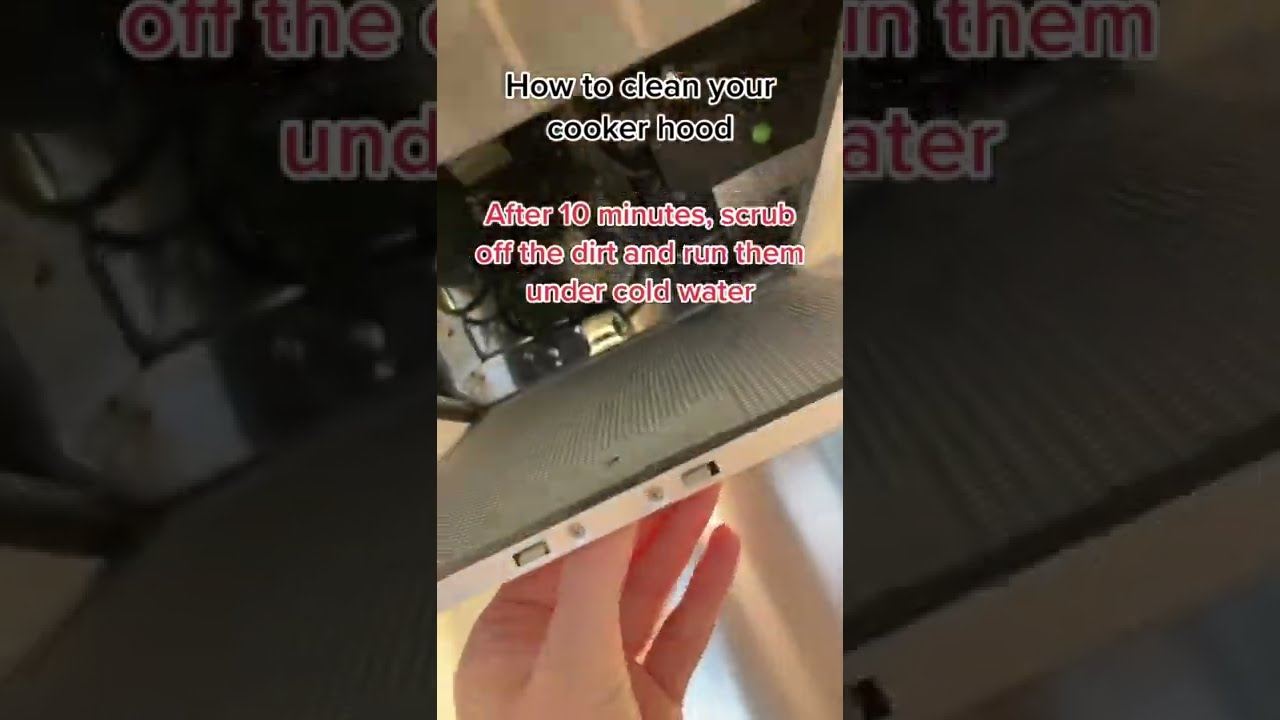
- Deep Cleaning Cycle: If it has been six months or more since your last deep clean, regardless of how clean it looks, it's time. Grease has a habit of compounding. High-Intensity Cooking: If you frequently cook high-smoke, high-grease meals (e.g., deep frying, charring meats), you should treat deep cleaning as a semi-annual necessity. The "Mystery Smell" Test: If you can't pinpoint the source of a persistent, burnt odor, professional help is mandatory.
The professional deep clean acts like a system flush, ensuring that every corner, every filter, and every duct is scrubbed down to bare metal.
Maximizing Your Kitchen's Air Quality
Maintaining a pristine rangehood is not just about cleanliness; it’s an investment in your home's air quality and safety.
The Benefits of Regular Care
- Safety First: Eliminating the fire hazard is paramount. Efficiency: Your appliance works at peak performance, saving you energy and keeping your kitchen running smoothly. Healthier Home: Better air circulation means better overall air quality, which is a huge benefit in any busy Western Sydney household.
Don't let your rangehood become a black hole of grease! Addressing the question of when do I need a rangehood deep clean in Western Sydney? should be part of your routine home maintenance checklist, not an emergency fix.
Ensuring Peak Performance: Planning Your Next Clean
Think of your rangehood like a car—it needs regular servicing to run smoothly and safely. By understanding the warning signs and committing to a professional deep clean every six to twelve months, you ensure that your cooking remains a joyous, smoke-free experience.
A truly clean rangehood is the quiet evidence of a well-maintained, safe, and efficient kitchen. By taking proactive steps, you keep your culinary passion alive and your home breathing easy. If you’re unsure, simply ask a professional; they can often tell the story of grease buildup just by looking at your filters.
Ready to give your rangehood the care it deserves? Scheduling a comprehensive deep clean will not only remove the grime but will also restore its optimal drawing power, ensuring your kitchen remains the heart of your home for years to come.