Moving into a new home is a thrilling experience—it’s the smell of fresh paint, the unpacking of boxes, and the promise of a fresh start. However, before you can fully settle into the joy of your new kitchen, there’s often a dirty little secret lurking in the corner: the rangehood. While new appliances might look pristine, the ventilation system itself can accumulate years of grease, grime, and cooking residue. So, naturally, the burning question arises: when do I need rangehood cleaning before moving into a new space? The short answer is that while the unit might look spotless, professional cleaning is often a necessary precaution to ensure your new kitchen operates at peak performance and doesn't give you an unwelcome surprise.
Why Rangehood Cleaning is Non-Negotiable Upon Move-In
Many homeowners assume that because the unit is "new," it must be clean. However, the complexity of rangehood systems means that visible cleanliness doesn't equal functional cleanliness. The interior components—the filters, the ducts, and the motor vents—are where the real concerns lie.
The Hidden Hazards of Greasy Airflow
A rangehood’s primary job is to capture smoke, steam, and airborne grease. Over time, these elements build up, creating a thick, sticky layer. This buildup is more than just an aesthetic issue; it's a performance inhibitor.
- Reduced Efficiency: Grease deposits act like a blanket, impeding the airflow. This means the rangehood has to work harder, sucking less smoke and steam than it should, defeating its entire purpose. Fire Risk: This is the most critical point. Accumulated grease is highly flammable. If the unit has been sitting dormant, the buildup can pose a serious fire hazard when you finally turn on your high-powered stove. Odor Retention: Even if the unit is structurally sound, the trapped residue can hold onto stale smells—a metallic, greasy scent—that will permeate your new kitchen until they are properly deep-cleaned.
Beyond the Surface: What Professional Cleaning Achieves
When you hire a professional service, they aren't just wiping down the exterior. They are performing a deep dive into the mechanics. A professional cleaning service treats the rangehood like a mechanical system, not just a piece of stainless steel décor.
A quote from a kitchen appliance specialist reminds us, "A dirty rangehood is like trying to run a high-performance engine with a clogged fuel line. You waste energy, and you're never going to get the full output." This emphasizes that the cleaning is about restoring function, not just appearance.

Assessing the Need: Factors to Consider When Determining If You Need Rangehood Cleaning Before Moving Into a New Space
While the general advice leans toward cleaning, there are specific variables that heighten the urgency and determine if the service is absolutely critical for your peace of mind.
New Construction vs. Remodeled Units
The state of the "newness" matters. If you are moving into a brand-new build, the unit might have been installed but not yet used. In this scenario, a cleaning is still prudent. Why? Because installation itself involves dust, debris, and sometimes, protective coatings or sealants that need to be removed.
Conversely, if the unit is part of a major remodel, the situation can be trickier. If the electrical connections or ductwork were opened or modified during the remodel, professional cleaning becomes even more critical to ensure no construction dust or debris has settled into the system.
The Importance of Ductwork Inspection
Often, the most neglected part of the system is the ductwork itself—the metal chimney that connects the rangehood to the exterior venting. It is a dark, hard-to-reach space.
- Visual Inspection: A professional will often recommend a visual inspection of the ducts. They are looking for rust, structural damage, or excessive buildup that might have occurred during the construction process. The Dust Factor: Even if the builders promise a spotless job, construction dust is notorious for settling into every crevice, including HVAC and ventilation systems.
An Anecdotal Example
I once moved into a unit that smelled faintly of burnt popcorn, despite the landlord insisting the appliances were brand new. It turned out the previous tenant had left a residue in the grease traps that the builders hadn't fully flushed out. The deep clean didn't just remove grease; it removed the lingering memory of old cooking odors, making the entire kitchen feel truly fresh.
The Cleaning Process: What to Expect and How to Prepare
Knowing what to expect demystifies the process and helps you prepare for the service appointment. It’s far simpler than it sounds, and you’ll be surprised by the sheer volume of grime that can be removed.
What a Comprehensive Cleaning Includes
A thorough rangehood cleaning typically covers several key areas:
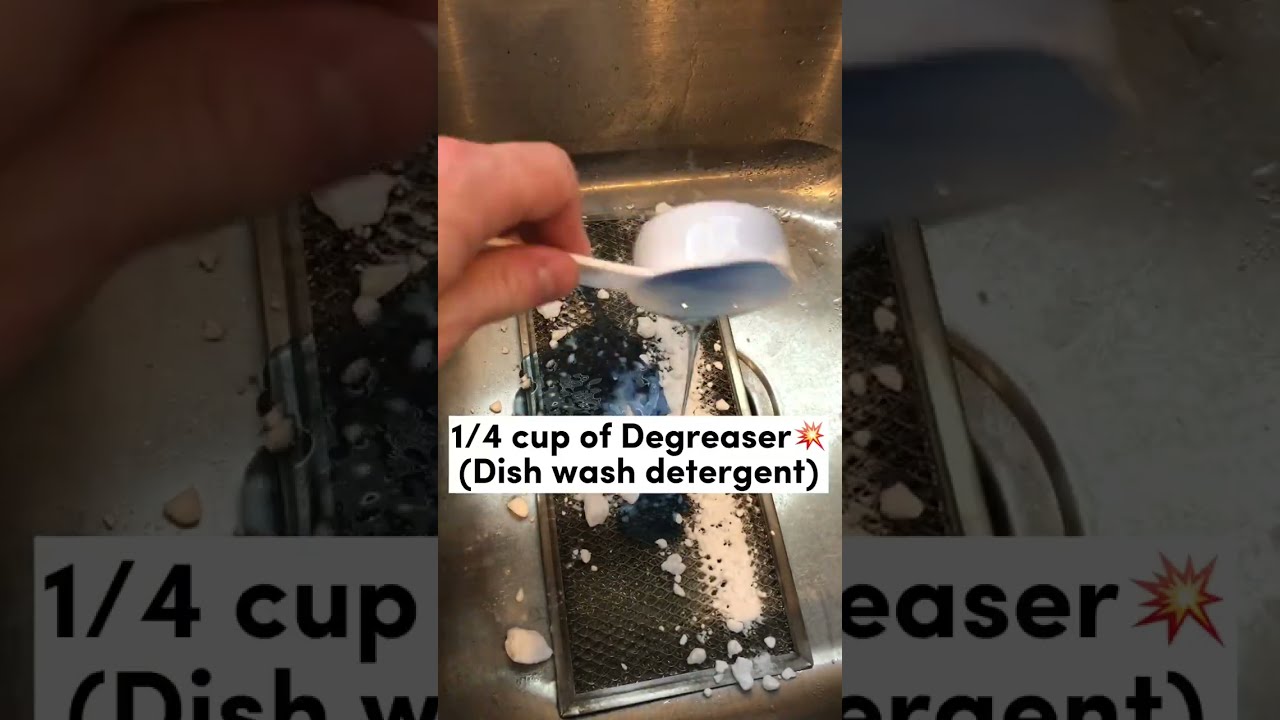
- Filter Removal and Soak: The grease filters are removed and soaked in a specialized, non-abrasive degreaser. System Vacuuming: The entire visible ductwork and the hood cavity are vacuumed to remove loose dust and particulate matter. Degreasing and Scrubbing: High-powered solvents are used to break down hardened grease deposits on the internal components. Reassembly and Test: The components are reassembled, and the unit is run briefly to ensure proper airflow and function.
Preparing for Your Service
While the cleaning company handles the heavy lifting, you can help by doing a few things beforehand:
Clear the Area: Remove any decorative items or small appliances placed near the rangehood. Ventilation: Ensure the kitchen has good airflow before the technicians arrive. Power Down: Turn off the main circuit breaker for the rangehood to ensure safety during the service.Maximizing Your Investment: Beyond the Initial Clean
Once the deep clean is complete, your job isn't over. Proper maintenance is key to keeping that pristine, new-home feeling alive. Think of regular cleaning not as a chore, but as an investment in your home's safety and efficiency.
- Routine Filter Cleaning: Follow the manufacturer's guidelines for cleaning the removable filters (usually soaking them monthly). The Quarterly Check-Up: Consider having a professional check-up every year or two, especially if you are a heavy cook. Ventilation Habits: When cooking, always use the rangehood, even if you think the smoke is dissipating naturally.
Making your selection of a professional cleaning service before you even start cooking in your new space is a simple act of preventative maintenance that pays More info dividends in safety and performance. It ensures that your new kitchen is not just beautiful on the outside, but impeccably clean and efficient on the inside.
If you approach your new home with this level of detail, you’ll realize that the joy of moving in isn't just about unpacking boxes; it’s about settling into a perfectly functional, safe, and immaculate environment.